
Automatic vs Manual Lessons: Which Should You Choose?
- September 16, 2021
- Driving School, Driving Tips
- 6 mins read
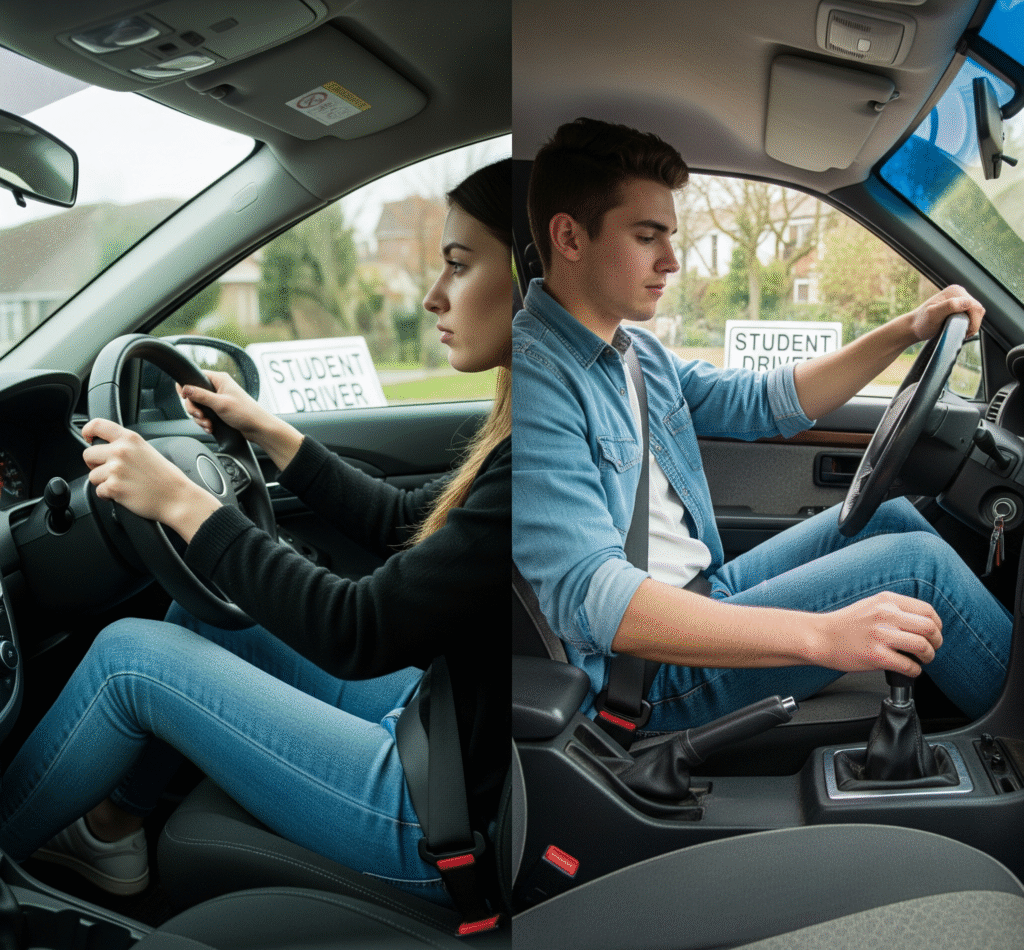
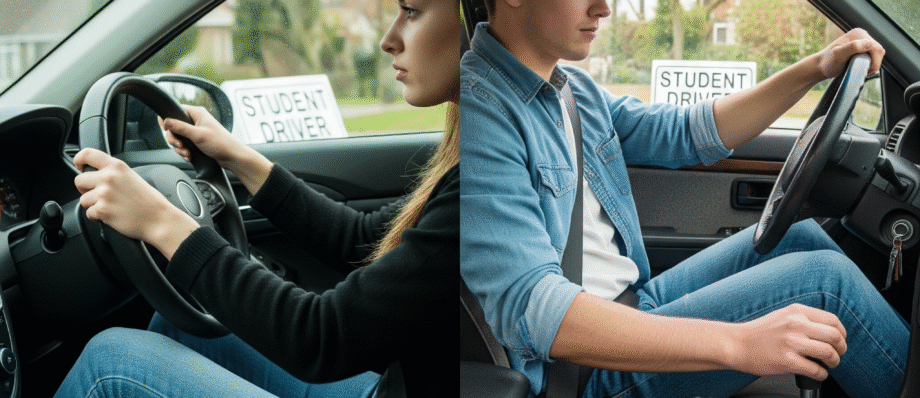
When you’re ready to learn how to drive, one of the biggest decisions you’ll face is choosing between automatic and manual transmission lessons. While both options will get you on the road, they offer very different experiences—and your choice can affect everything from your comfort behind the wheel to the type of vehicle you’re licensed to drive.
In this comprehensive guide, we’ll break down the pros and cons of both automatic and manual driving lessons, the cost, the difficulty level, and which is best for your long-term driving goals. Whether you’re looking for the simplest route to getting your license or planning to drive overseas or professionally, this guide will help you make an informed choice.
1. Understanding the Basics
Before diving into the pros and cons, let’s start with a quick breakdown of what each transmission type means.
What Is an Automatic Transmission?
An automatic car shifts gears on its own, using a complex system of hydraulics and sensors. The driver doesn’t need to operate a clutch or manually change gears—just put the car in “Drive” and go.
What Is a Manual Transmission?
A manual car (also known as a “stick shift”) requires the driver to manually change gears using a clutch pedal and a gear stick. It gives you more control over how power is delivered to the wheels, but also demands more coordination and focus.
2. The Pros and Cons of Learning Automatic
✅ Pros of Automatic Lessons
- Easier for Beginners: Automatics eliminate the need to learn clutch control and gear shifting. This lets new drivers focus on steering, mirrors, and road awareness without multitasking.
- Less Stress in Traffic: Stop-and-go traffic is much easier in an automatic since you don’t have to constantly change gears or worry about stalling.
- Faster to Learn: Students generally require fewer lessons to pass their test, which can reduce the overall cost.
- Great for Urban Drivers: If you plan to drive mostly in the city, automatic vehicles are ideal for smooth, hassle-free driving.
❌ Cons of Automatic Lessons
- License Restrictions: In some provinces and countries, passing your test in an automatic may restrict you from driving manual vehicles without additional testing.
- Less Vehicle Control: Automatics handle gear shifting for you, but that can sometimes mean less responsiveness in certain driving conditions like hills or snow.
- More Expensive to Maintain: Automatic vehicles tend to be more costly to repair due to their complex transmission systems.
- May Limit Future Opportunities: If you’re considering driving professionally (truck driving, delivery, etc.) or abroad, you might need a manual license.
3. The Pros and Cons of Learning Manual
✅ Pros of Manual Lessons
- Greater Control Over the Vehicle: Manual drivers have more control in tricky conditions—like slippery roads, hills, or when overtaking.
- More Versatile License: Once you pass a manual test, you can legally drive both manual and automatic cars.
- Potentially Better Fuel Efficiency: Some manual vehicles offer better mileage and lower fuel costs (though this gap is shrinking).
- Less Expensive to Buy or Rent: Manual cars are often cheaper upfront and in rental situations, especially in Europe or Asia.
❌ Cons of Manual Lessons
- Steeper Learning Curve: Learning clutch control, shifting gears, and coordinating with your surroundings can be overwhelming for beginners.
- More Stress in Stop-and-Go Traffic: Constantly shifting gears and using the clutch can get tiring in heavy traffic.
- Stalling: This is a common fear for new drivers—manual cars can stall if the clutch is released too quickly or improperly.
- More Lessons Might Be Required: It typically takes more time (and more practice) to become test-ready in a manual vehicle.
4. Cost Comparison: Which Is Cheaper?
Many students assume manual lessons are cheaper because manual cars cost less. But the real comparison depends on how many lessons you need to pass.
- Automatic lessons are usually more expensive per hour but require fewer total lessons for most learners.
- Manual lessons may be cheaper per hour but take longer to master.
If you’re on a budget, weigh the cost of lessons and the potential costs of owning, maintaining, and insuring your first car. You may also want to consider used car availability in your area—manual cars are rarer in North America, so choices may be limited.
5. Which One Helps You Pass Faster?
If your main goal is to pass quickly, automatic is usually the better option. With fewer technical skills to master, automatic learners tend to be test-ready faster.
However, if your goal is long-term flexibility, a few extra weeks learning manual could pay off in the future.
6. Career and Lifestyle Considerations
Choosing between automatic and manual may come down to your future plans:
| Lifestyle/Career | Best Choice |
|---|---|
| Daily urban commuting | Automatic |
| Living in rural or hilly areas | Manual (more control) |
| Driving for work (e.g. delivery, trucking) | Manual |
| Driving abroad (Europe, Asia, Australia) | Manual |
| Only driving locally on weekends | Automatic |
7. How to Decide: Key Questions to Ask Yourself
To make the right decision, ask yourself:
-
Do I want to get licensed as quickly and easily as possible?
→ Choose automatic. -
Will I be driving overseas or in a professional capacity in the future?
→ Choose manual. -
Do I feel confident learning more complex driving techniques?
→ Go for manual. -
Will I be driving mostly in urban traffic?
→ Automatic may be the better choice. -
Do I want the option to drive both manual and automatic cars?
→ You’ll need to learn manual.
8. What Instructors Say
Many experienced instructors recommend starting with automatic if you’re very nervous or anxious, then transitioning to manual later if needed.
Others suggest starting with manual right away if you’re committed to getting the most versatile license.
You can also ask a school for a trial lesson in both types of vehicles to see what feels more natural.
9. What If You Choose Wrong?
Don’t worry—many learners switch halfway through. Most driving schools are flexible and can accommodate a change if you find that your initial choice isn’t working out.
At Drivopolis, we make it easy to compare schools that offer both manual and automatic lessons. You can also check reviews from past students, filter by car type, and book a trial session directly through the directory.
10. Schools That Offer Both Manual and Automatic Lessons
Here are a few examples of schools listed on Drivopolis that offer both types of lessons:
- A-PRO Driving School – Surrey
Offers full GDL instruction with both automatic and manual vehicles. Great for beginners and advanced learners. - Accurate Driving School – Coquitlam
Known for its experienced instructors who tailor each lesson plan to the student’s pace—manual or automatic. - 360 Defensive Driving – Halifax
Offers packages for both transmission types, plus defensive driving strategies for all skill levels.
To find more schools offering both, visit our directory and filter by “Transmission Type”.
Conclusion: Make the Choice That Fits You
There’s no right or wrong answer when it comes to automatic vs manual—only what’s right for your learning style, goals, and lifestyle. What matters most is becoming a confident, safe, and prepared driver.
Still unsure? Try a lesson in each before committing. And remember, your first car might not be your last. Having flexibility with your license can be a real asset in the long run.
Ready to Start?
Browse driving schools near you that offer automatic, manual—or both—and take the first step toward your license today.